
Understanding the market before creating the marketing
I've always enjoyed understanding why people make the decisions they do.
Whether it's why a business chooses one message over another, why a campaign resonates with an audience, or why two companies offering similar services position themselves completely differently, those questions have always interested me. That curiosity is what naturally drew me towards market research and analysis, and it's become one of my favourite parts of working in marketing.
When people think about marketing, they often picture the creative side first. They think about social media posts, branding, campaigns, or content. Those are all important parts of the process, but I've found that some of the strongest marketing decisions happen long before any content is created. They come from taking the time to understand the market, exploring what competitors are doing, and identifying opportunities that might otherwise go unnoticed.
Looking back, I think that curiosity has always been there. It just took working in marketing to realise it could become one of my greatest strengths.
I completed a Bachelor of Business, majoring in Marketing, a couple of years ago. Like many graduates, I reached that stage where university had finished, but I wasn't quite sure how to take the next step into the industry. I spent a lot of time applying for internships and trying to build connections, but it wasn't always easy. Because much of my degree was completed online, I also felt like I had missed out on some of the networking opportunities that naturally come from being on campus and meeting people face-to-face.
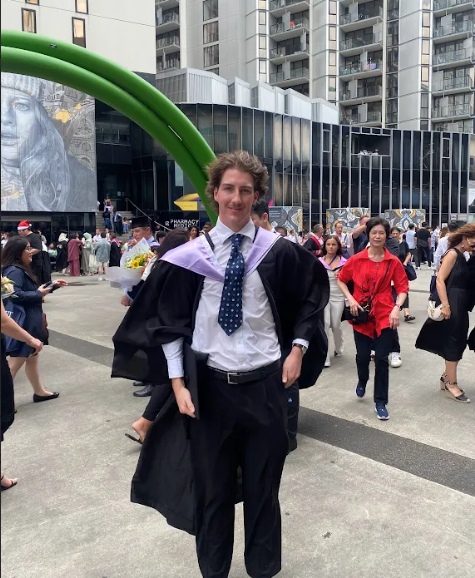
One of the lecturers who really stood out to me during university was Andrew Ford. His classes were always engaging, practical, and different from many of the others I'd experienced. We stayed connected on LinkedIn after I graduated, and when I saw him sharing opportunities through the CampusLife internship program, I decided to reach out. That conversation eventually led me to Social Star, and I'm incredibly grateful that I took the chance.
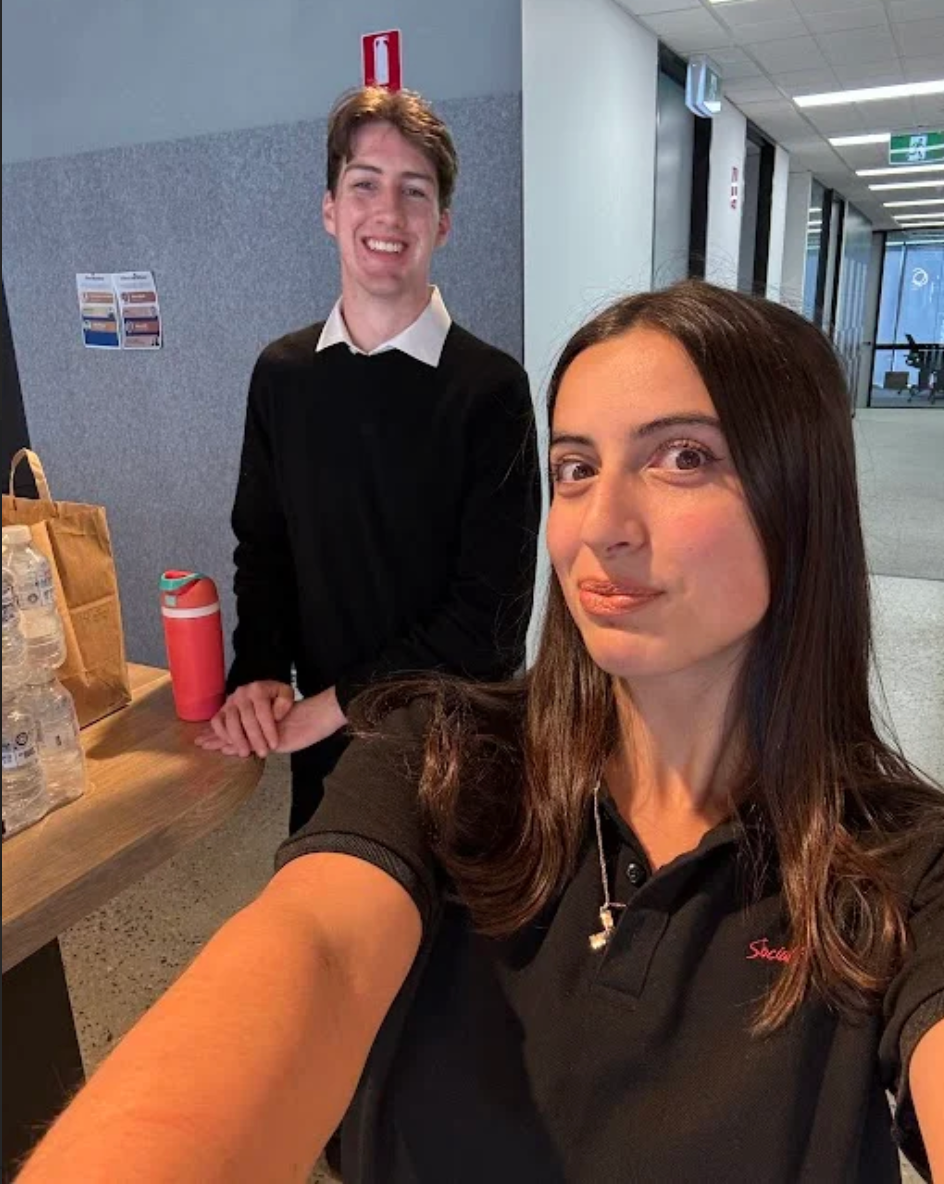
Today, I work as a Marketing Coordinator, where my role involves writing content, researching industries, reviewing marketing strategies, and supporting our account managers across a range of client projects. One of the things I enjoy most about working in an agency is that no two clients are the same. Every business operates in a different industry, serves a different audience, and has its own unique challenges, which means there's always something new to learn.
Recently, I had the opportunity to spend several days conducting an in-depth competitor analysis for one of our clients in the fitness industry. While some people might see hours of research as repetitive, I genuinely enjoyed the process. Every business I looked at offered a different perspective, and I found myself constantly asking why they had chosen a particular approach, who they were trying to engage, and what made their positioning different from everyone else.
One of the biggest things I took away from that project was realising how many businesses offering almost identical services were communicating completely different messages. Some positioned themselves around performance and results, while others focused on community, education, or lifestyle. The service itself wasn't always what made them stand out. It was the way they communicated their value and connected with the people they wanted to reach.
I also found that some of the most valuable insights came from businesses that weren't direct competitors at all. Looking outside the obvious comparison set often revealed ideas that could be adapted in completely different ways. Every business was doing something well, and I enjoyed looking for those lessons rather than simply comparing who was better or worse.
For me, that's what market research is really about.
It's easy to think of research as collecting information or filling out a spreadsheet, but I see it as the foundation for better decision-making. Before trying to communicate with an audience, it's worth understanding what they value, what competitors are already saying, and where there might be an opportunity to position a business differently. The more informed those decisions are, the stronger the strategy becomes.
That mindset has also changed the way I look at marketing more broadly. Whenever I come across an interesting campaign or a business doing something differently, my instinct is to stop and ask why. Why did they choose that message? Why did they target that audience? What problem were they trying to solve? Those questions often reveal far more than simply looking at the finished campaign itself.
I think that's one of the reasons I enjoy marketing so much. Every project is an opportunity to learn something new, whether it's about an industry, a customer, or the way people make decisions. Curiosity has become one of the most valuable tools I bring to my work, and it's something I hope I continue developing throughout my career.
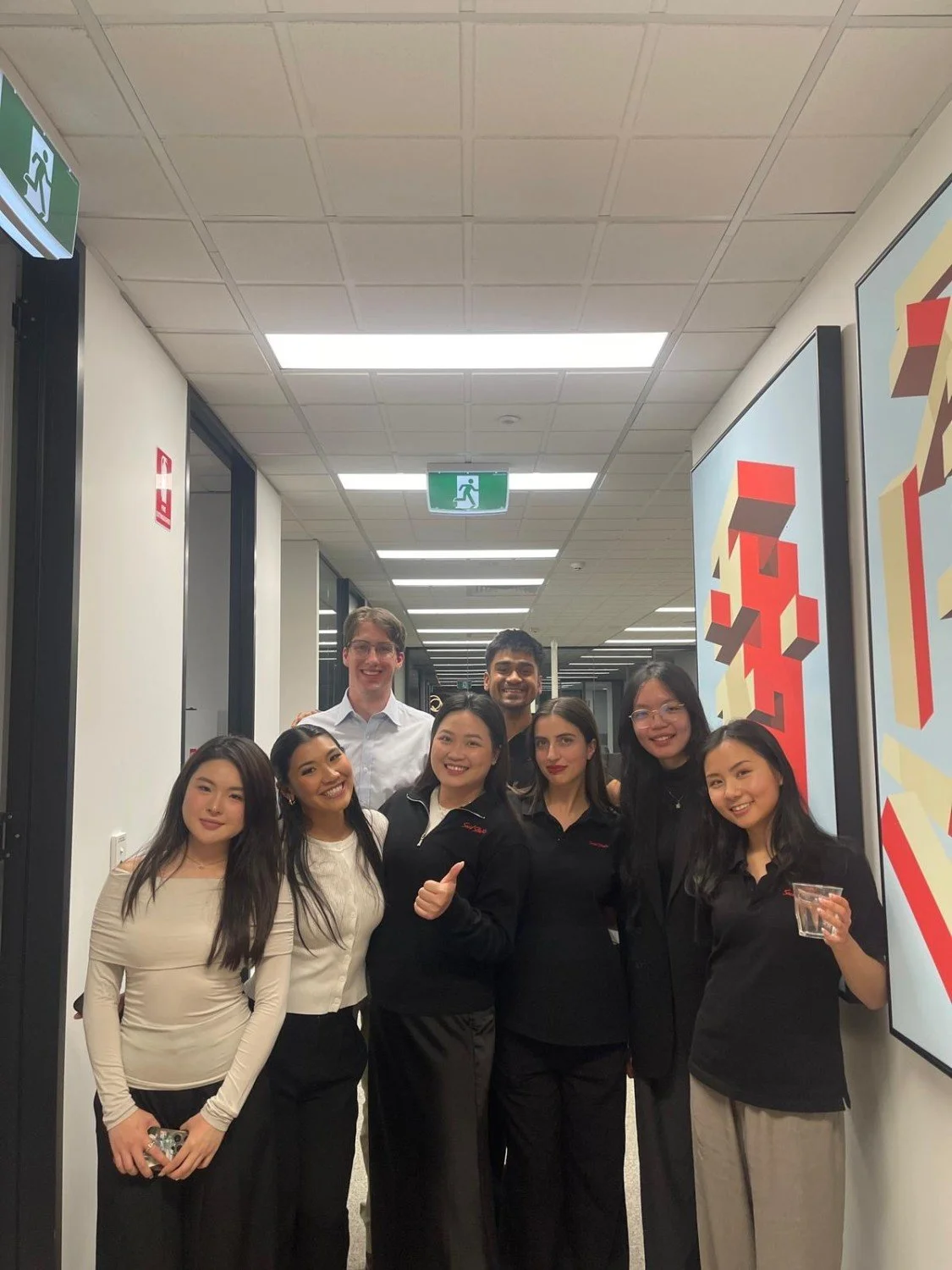
Working at Social Star gives me the opportunity to apply that way of thinking across a wide range of industries, and every new client brings another chance to explore a completely different market. That's what keeps marketing exciting for me. There is always another perspective to uncover, another trend to understand, and another question waiting to be answered.
Because before great marketing can communicate the right message, it first needs to understand the market it's speaking to.