
Building trust, communication, and connection at Social Star
If you had told me a few years ago that I’d end up working in marketing, I honestly don’t think I would’ve believed you.
Growing up, I always imagined myself pursuing psychology. After graduating high school in 2016, I took a gap year while working at Coles and trying to figure out what direction I wanted my career to go in. At the time, I felt a little unsure of myself. I knew I wanted to work with people in some capacity, but I didn’t fully know what that looked like yet.
Eventually, I enrolled in a pathway course through RMIT with the intention of moving into psychology later on. Long story short, I later found out the course wasn’t actually a pathway into psychology at all, which at the time felt slightly devastating. But somehow things still worked out, and I eventually got accepted into psychology at Deakin University, where I studied for three years before graduating in 2023.
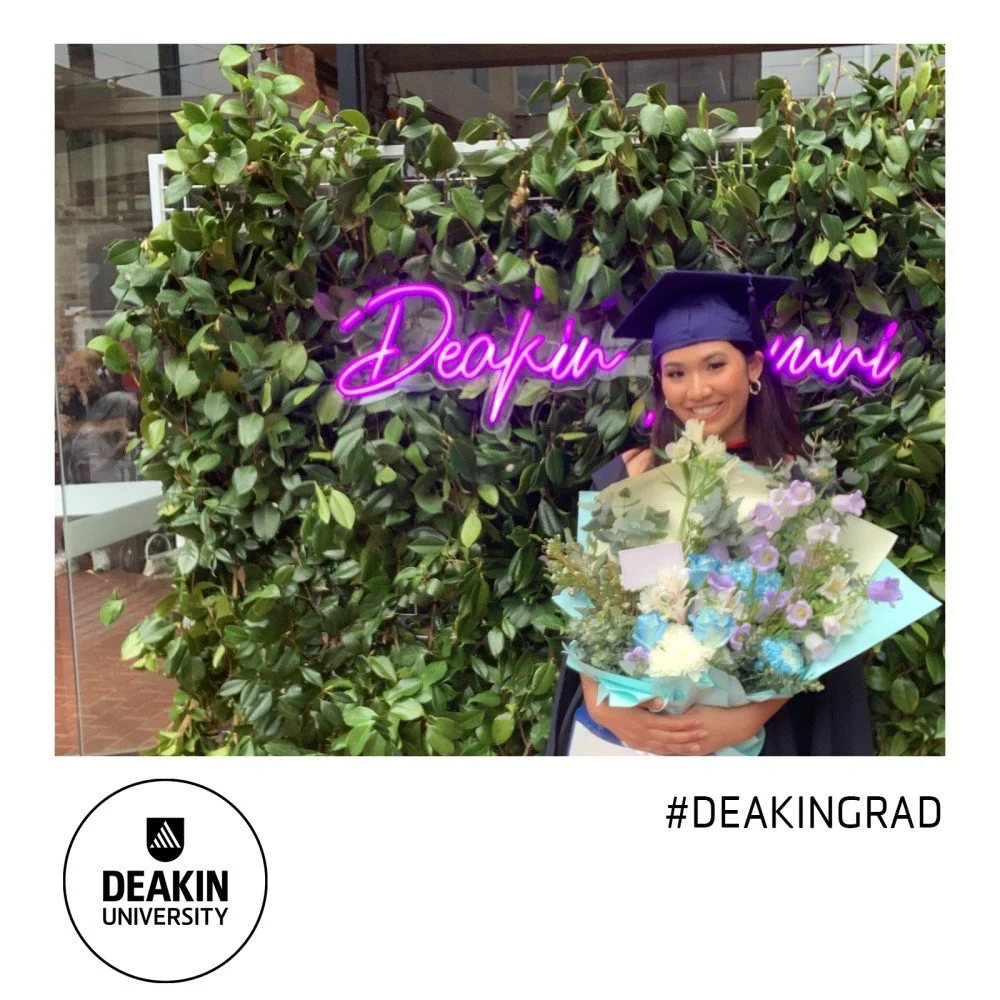
During that time, I was also working at a psychiatry clinic as a receptionist. Looking back now, I think that role taught me a lot more than I realised at the time. I spent every day interacting with patients, helping people feel comfortable, and learning how important communication is when working with others. Even though I wasn’t directly working in psychology yet, I was still learning about people every single day.
As much as I enjoyed psychology, somewhere along the way I slowly started losing the passion for pursuing it professionally. The workload became intense, and I started questioning whether it was the right long-term path for me. At the same time, there was another side of me that I kept coming back to - creativity.
I’ve always loved reading and writing. It was something I naturally enjoyed growing up, but I never really considered it a “real” career option. Then one day I had this moment where I thought, why not actually pursue something creative instead of just keeping it as a hobby?
That’s what eventually led me towards marketing.
Funny enough, psychology and marketing actually overlap more than people think. Both revolve around understanding people, communication, behaviour, and connection. Once I realised that, it felt like my psychology degree hadn’t gone to waste at all - it had simply led me somewhere different than I originally planned.
I ended up completing a Graduate Certificate in Marketing and Digital Communications while searching for internships because I knew practical experience was going to be important if I wanted to break into the industry. That’s when I came across Campus Life on LinkedIn.
The listing said “no experience needed,” which immediately stood out to me because realistically, I didn’t have much experience at all. I had a willingness to learn, but no professional marketing background or portfolio. Somehow, I got accepted into the internship, and that experience ended up changing a lot for me personally.
Before that, I was actually incredibly shy. At university, I would never put my hand up in class or volunteer answers, even if I knew them. I always preferred staying quiet and blending into the background. But through CampusLife, I slowly started becoming more confident and proactive. Whenever there were opportunities to help out or take on extra work, I started putting my hand up instead of holding myself back.
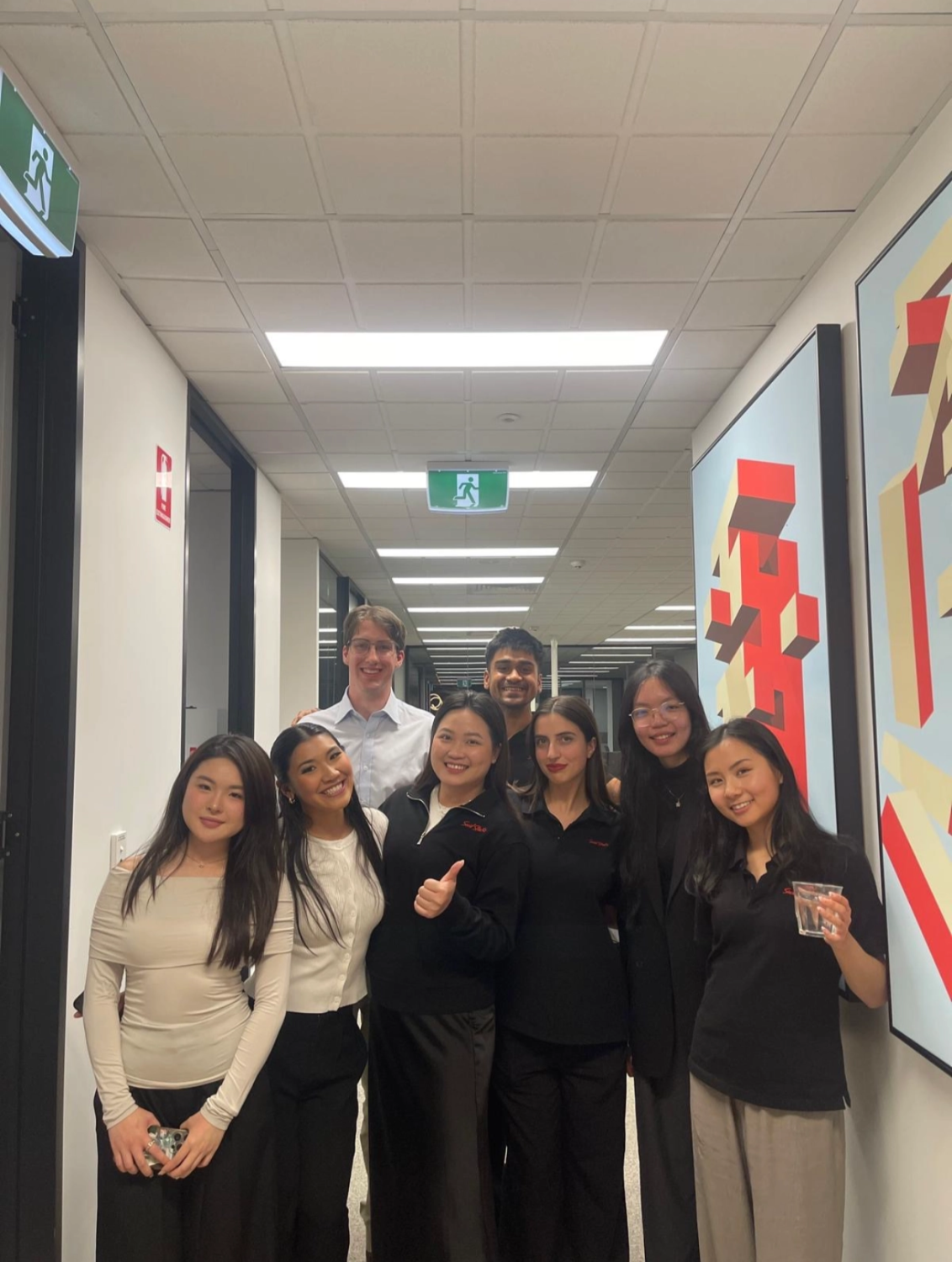
That confidence eventually led me to Social Star.
I originally started as Andrew Ford’s PA before moving into a Marketing Coordinator role, and honestly, I think starting in that position gave me a really valuable perspective on the business and the people within it. Now my day-to-day role involves a mix of content creation, client communication, meetings, strategy, monthly reporting, and occasionally going out on shoots to capture content for clients.
No two days are really the same, which is one of the things I genuinely enjoy most about marketing.
Over time, though, one thing became very clear to me: good marketing is built on good relationships.
Yes, strategy matters. Content matters. Analytics matter. But underneath all of that, marketing is really about people. You can’t effectively help a client bring their vision to life if you don’t actually understand them first.
That’s why building client rapport has naturally become such a big part of my role.
To me, strong client relationships come from communication, transparency, and trust. A lot of clients simply want to feel heard and understood. Even if you don’t completely agree on something creatively, there still needs to be openness and compromise so both sides feel aligned throughout the process.
I think listening is one of the most underrated skills in marketing.
Whenever I go into meetings, I always try to start by connecting with the client on a personal level first. Simple things like asking how their week has been or how things are going outside of work can completely change the tone of a conversation. It creates a more comfortable environment where communication feels natural instead of transactional.
Of course, professionalism is still important, but I think the best client relationships are the ones where there’s also genuine connection. You want clients to feel like you’re working with them, not just completing tasks for them.
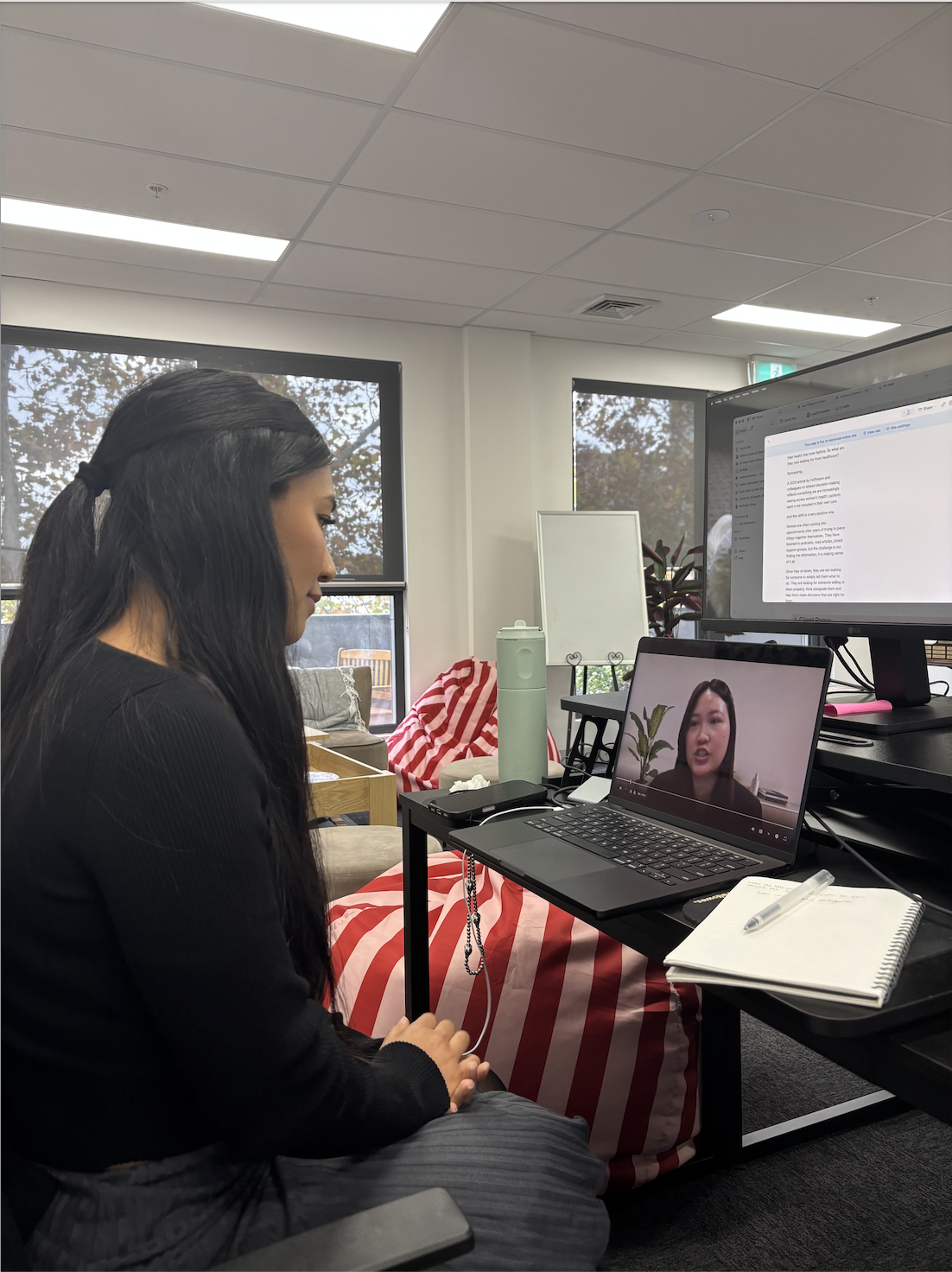
Transparency is another huge part of that, especially during high-pressure projects. One thing I’ve learned is that avoiding communication never helps anybody. If timelines need adjusting or expectations can’t realistically be met, it’s always better to communicate that early rather than waiting for the situation to become more stressful later on.
That honesty builds trust over time.
And once trust exists, clients become much more open to collaboration, feedback, and new ideas because there’s already a strong foundation there.
I think that’s something Social Star does really well too. There’s a huge focus on building long-term relationships rather than chasing quick wins, and I’ve really come to appreciate how valuable that mindset is. The stronger the relationship is behind the work, the stronger the work itself usually becomes.
One of the biggest things I’ve learned since entering marketing is that everybody communicates differently. Some people are very direct, while others need more reassurance or collaboration. At first, adjusting to those differences surprised me a little bit.
But over time, I realised something important: it’s never personal.
Feedback, revisions, different communication styles - all of it is simply part of the process. Once you stop taking things personally, you become much better at adapting, communicating, and building stronger professional relationships overall.
At the end of the day, that’s what marketing really comes down to for me.
Not just creating content or running campaigns, but understanding people first.
Because when people feel heard, understood, and supported, that’s when the best work happens.