
At sixteen, I thought I would become a journalist, mostly because I had watched How to Lose a Guy in 10 Days and it looked fun. That was genuinely the level of strategy behind it.
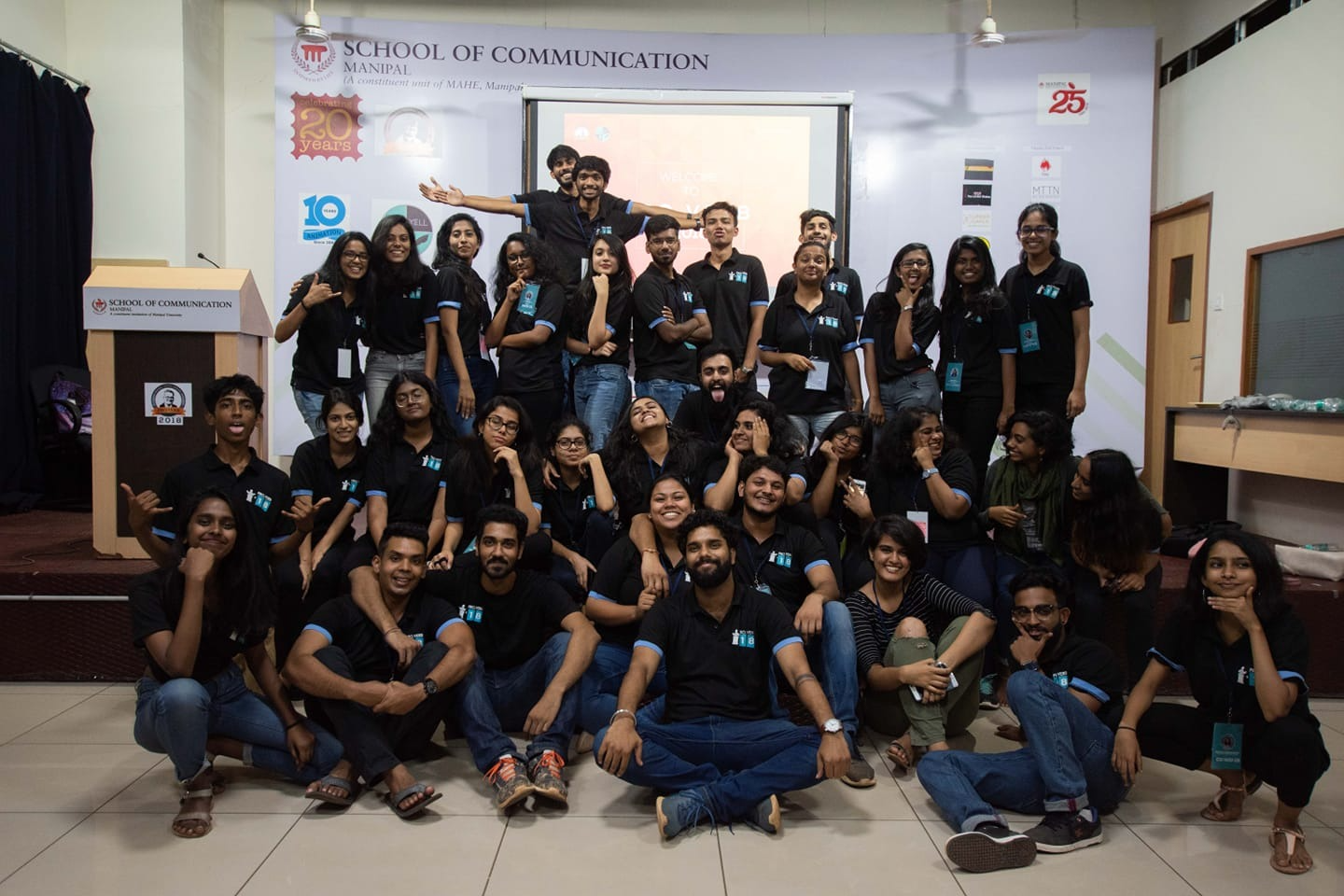
I went to university early and chose journalism and media because I knew I enjoyed writing and storytelling. What I didn’t expect was how much space that environment would give me to experiment. During my bachelor’s degree, I joined almost every creative club I could find, from news and film societies to student media groups. Through those spaces, I tried photography, painting, art direction, social media management, music management and events. I wasn’t thinking about building a career at the time. I was simply curious and interested in creative work in all its forms.
My first real step into the industry actually came through a cold message. There was a music venue I loved, but I couldn’t afford to attend many of the shows. Instead of accepting that, I sent them a direct message asking if they needed help. That message turned into my first internship at a bar and event venue. Over time, I started helping with photography, then events, and eventually social media and brand storytelling.
Somewhere along the way, I realised that I enjoyed building brands and telling stories for businesses far more than I enjoyed the idea of being a traditional journalist. What started as curiosity slowly became direction.
Looking back, my career has never followed a straight line. It has mostly been the result of saying yes to things that felt interesting and being willing to reach out when opportunities didn’t formally exist. Even my current role began the same way, through a cold message on LinkedIn after I saw a post about an event expansion in Brisbane.
At the time, none of these decisions felt strategic. In hindsight, they built the foundation for everything that came after.
McKinsey Taught Me That Design Is Not Just “Pretty”
Around that time, an opportunity at McKinsey came along. At nineteen, it felt like the kind of opportunity you don’t question too much. It was one of the most recognised companies in the world, and for someone just leaving university, it seemed like the responsible next step.
What I didn’t realise then was how much that experience would reshape the way I thought about design and communication. Until that point, creativity had always felt instinctive. I enjoyed drawing, visual thinking, and design, but I mostly saw them as creative skills. Working inside a consulting environment made me realise that design was operating at a completely different level. It was not decoration or aesthetic polish; it was structure, psychology, and a tool organisations used to build clarity and credibility at scale.
When you see how much a global firm invests in design systems, presentation frameworks, and brand consistency, you begin to notice small details differently. You start asking questions you would not have thought about before: why one shade of blue feels calmer than another, why a left-aligned headline feels more authoritative than a centred one, or why certain fonts immediately signal trust while others feel casual.
That experience changed the way I approached creative work. When I design a social post or think about a campaign today, especially in B2B environments, I am not simply asking whether something looks good. I am thinking about where the eye goes first, whether the design builds credibility, and whether the visual choices reinforce how a brand wants to be perceived.
At the same time, it made something else clear to me. I did not want to stay only on the design side of marketing. I became increasingly interested in the strategic layer behind it, understanding why certain messages worked, how brands positioned themselves, and how campaigns shaped the way customers thought and behaved.
That curiosity eventually led me into brand management, where I could explore those questions more directly while working on a young and upcoming brand. It was another shift in direction, but it followed the same pattern that had been shaping my career from the beginning: moving toward the parts of the work that felt the most interesting.
Being an International Student Changes How You Hustle
Moving to Australia was a reality check in ways I did not fully expect. By that point I had already worked in environments where I understood how creative work connected to business decisions, but arriving somewhere new as an international student often feels like starting again. Experience does not always translate in the way you imagine.
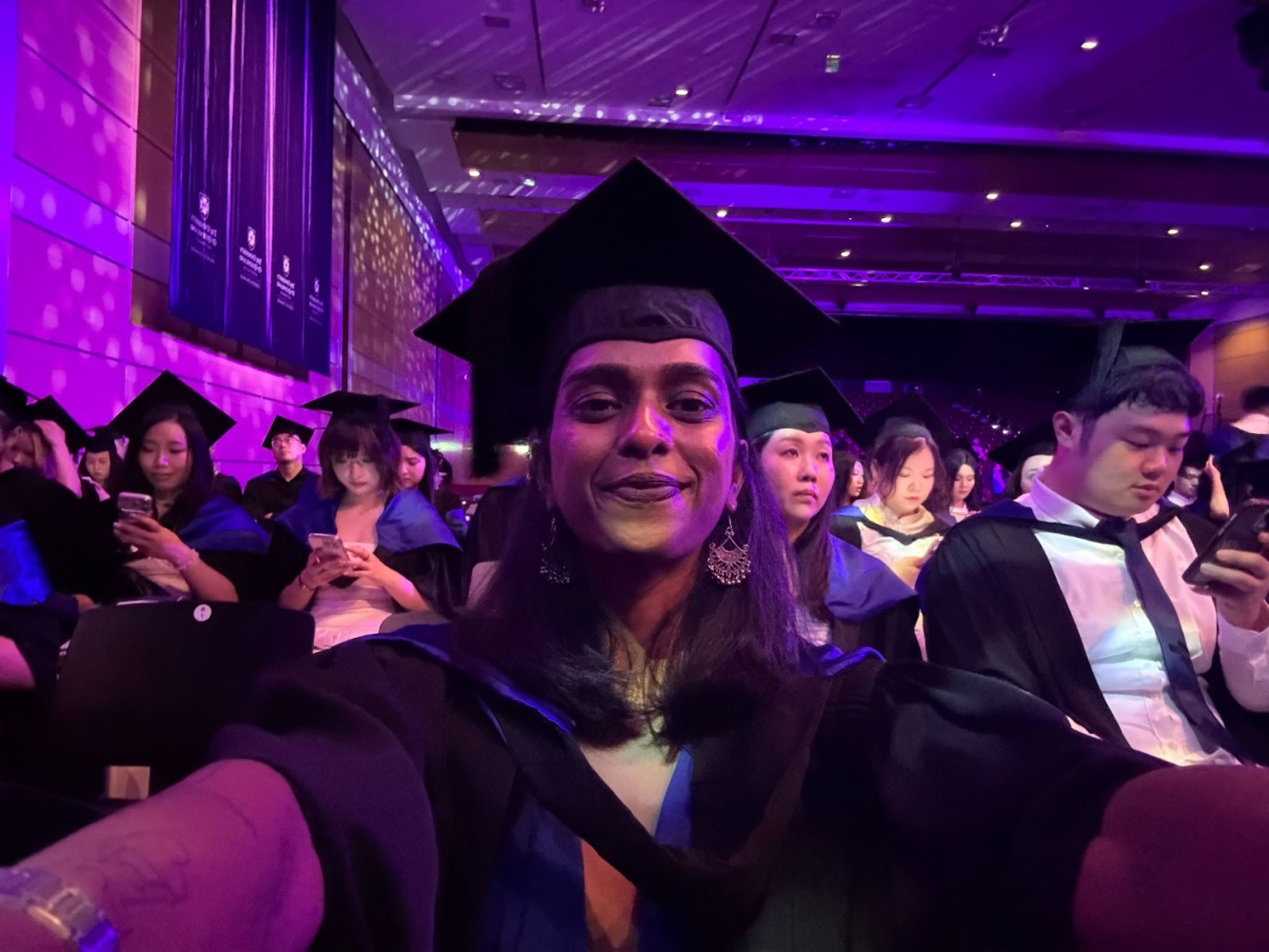
When I began my master’s degree, I approached that period the same way I had approached my bachelor’s years earlier: as a chance to experiment and learn as much as possible. I took internships almost every semester, volunteered wherever I could, and joined different clubs and communities around the university. Outside of that, I worked wherever I could as well, whether that meant shifts at a service station, working in hospitality, or helping run food stalls at farmers' markets.
None of these roles was a traditional marketing job on paper, but they placed you directly in front of people every day. When you spend hours speaking to customers, explaining products at a market stall, or managing a busy service environment, you quickly start to notice what captures people’s attention, what builds trust, and what makes them walk away.
It also becomes clear how difficult it can be for international students to get noticed by companies, even when they have experience and ideas to offer. Because of that, I learned early that waiting for opportunities was rarely enough. Many of the opportunities I have had came from simply reaching out and starting conversations, including my current role, which began when I saw Andrew post on LinkedIn about needing help for an event in Brisbane and decided to message him directly to explain how I could contribute.
Looking back, those experiences did not look like traditional marketing roles on paper, but they quietly shaped the way I understand audiences, behaviour, and the human side of business.
What I Actually Do at Social Star
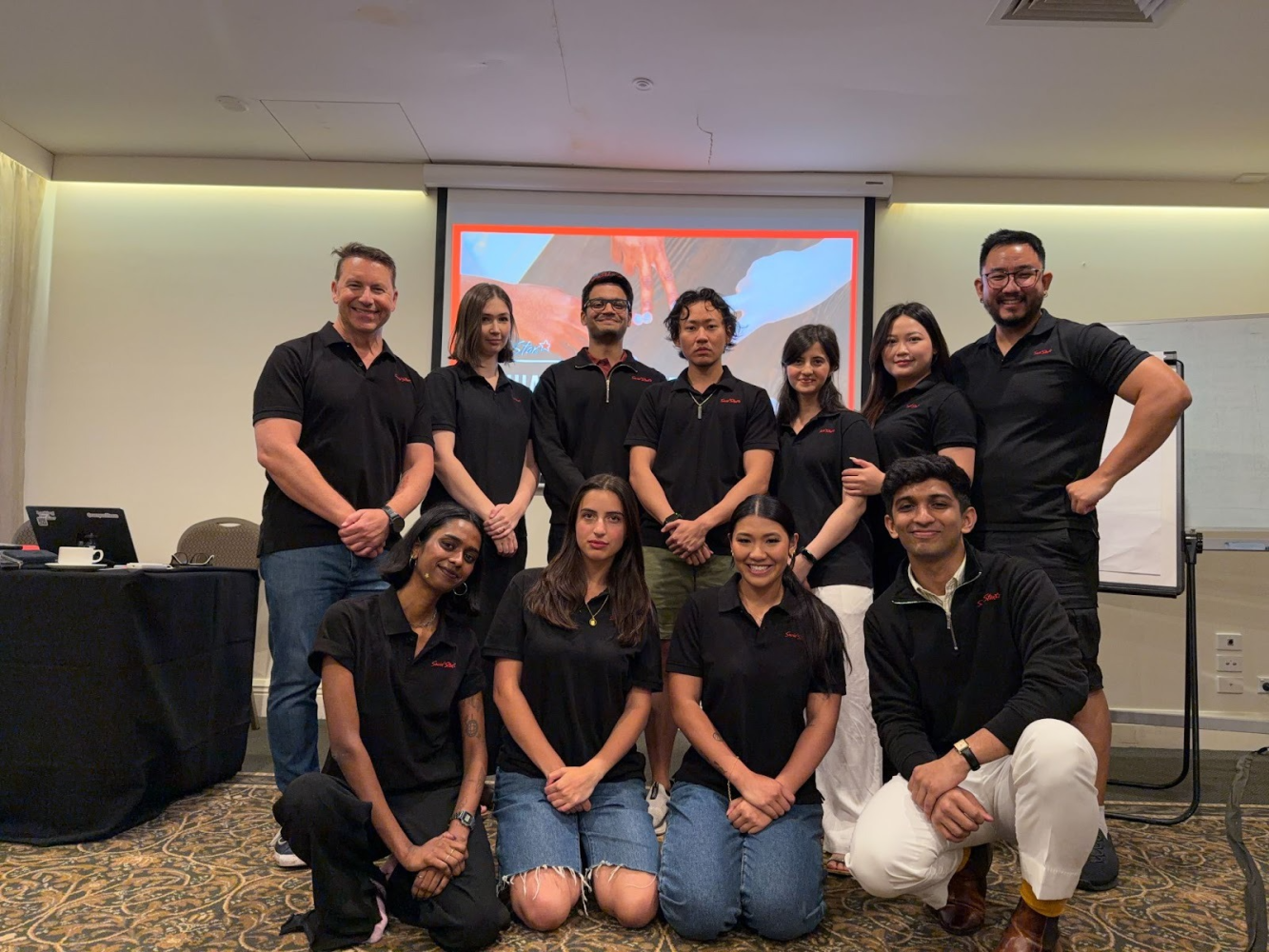
The message I sent on LinkedIn eventually led to my role at Social Star, and the work ended up being far more varied than what most people imagine when they hear the title “marketing coordinator.” In practice, the role sits somewhere between strategy, execution, and coordination. I usually work across four to six clients at a time, each with its own goals, tone, and expectations. It can feel chaotic on the surface, but once you understand how everything connects there is a rhythm to it.
A large part of my role is bringing strategy to life. I work closely with our account manager to translate campaign direction into the details that actually reach people. That means designing content, writing posts, coordinating shoots, managing timelines, analysing performance data, and making sure nothing slips through the cracks. Some days are creative, some days are analytical, and many are simply about keeping many moving parts aligned so the work feels coherent when it finally reaches an audience.
Because I sit close to the execution layer, I also see the small details that shape how campaigns perform. You begin to notice patterns in analytics, how small changes in wording affect engagement, or how visual choices influence credibility. That perspective is something I value because it connects the strategic thinking I was exposed to earlier in my career with the reality of how people actually interact with content.
My earlier experiences still influence how I approach the work. Spending years speaking directly with customers in markets, hospitality environments, and service roles made me very attentive to tone and human behaviour. Even in B2B marketing, which people often assume is purely transactional, there is always a human layer underneath the business conversation.
That is something I see clearly in the clients we work with, particularly when a founder has a strong personality behind the brand. One example that stands out is Evans Curtains & Blinds, a company whose approach to customers completely changed how I thought about marketing something as seemingly simple as window furnishings.
Working with Evans Curtains & Blinds
Working across several clients at Social Star means every brand reveals something different about how businesses communicate. If you had told me a year ago that I would be genuinely excited about curtains and blinds, I probably would not have believed you, but Evans Curtains & Blinds quickly became one of my favourite brands to work with. The founders are incredibly consultative in the way they approach their customers. They are less interested in quick pricing conversations and far more interested in understanding how someone actually lives in a space, how light moves through a room, and what small design decisions can completely change the feeling of a home. Spending time in those conversations made me notice spaces differently as well.
What I enjoy most about working with them is translating that humanness into their marketing. When we first started, the work was fairly simple and focused on building their LinkedIn presence and helping them begin their digital journey, but over time the relationship has grown into deeper work around customer journeys and conversions. For me, the interesting part is listening carefully to how founders explain their craft in our weekly conversations and then translating that voice into content and campaigns. That moment where design, writing, and strategy all meet is when I feel most in my element, and it also made me realise that doing this well across multiple clients requires more than just creative ideas.
What Social Star Forced Me to Learn
Working closely with clients like Evans also made me realise that creativity alone is not enough when you are responsible for multiple brands at the same time. Every client deserves attention, every campaign has moving parts, and when you are working across four to six businesses at once, the work quickly becomes a balance between ideas and organisation. The part of agency life that surprised me most was how much the role depends on prioritisation. You learn very quickly that creativity without structure becomes chaos.
Social Star forced me to think in systems. The way tasks are documented, how projects are tracked, and how knowledge is shared across the team make it possible to manage many different streams of work without losing sight of the bigger picture. Over time, I realised that these structures are not there to restrict creativity but to protect it. When the operational side is organised, it creates space to actually think about ideas, strategy, and how campaigns can evolve beyond simple content into something more meaningful.
What I Want Next
Right now, I am still very close to the execution layer of marketing, and that is something I genuinely value because it teaches you how ideas actually behave in the real world. When you are responsible for designing posts, writing copy, coordinating campaigns, and observing how audiences respond, you begin to understand the mechanics behind what works and what doesn’t. Over time, I would like to grow further into the strategic side of that work at Social Star, contributing more to the larger conversations around positioning, campaign direction, and the long-term story a brand is trying to tell. The part of marketing that interests me most is the moment when strategy, design, and human insight begin to align, and something coherent emerges.
At the same time, I have learned that creativity cannot exist only inside a job title. Outside of work, I write and run a small Substack, which has become a space where I can follow my curiosity in a much looser way, exploring culture, ideas, and the everyday things that catch my attention. In many ways, that practice keeps the same instinct alive that shaped the rest of my career: paying attention, asking questions, and trying to understand how people and stories connect. I do not know exactly where the next few years will lead, but if my career so far has followed any pattern at all, it has been guided by that curiosity, and I suspect that will continue to shape whatever comes next.